Preparing a healthy lunch need not be dull or tricky, particularly when the aim is to please picky children, busy adults, and health-conscious consumers in one sitting. The secret is moderation: a combination of protein, whole grains, vegetables, and healthy fats that will keep everyone satisfied and energized until the afternoon. Just a handful of simple, multi-purpose concepts, and you can create lunches that are fresh, colorful, and attractive, even to the most discriminating of family members.
1. Build Balanced Lunch Boxes
A well‑balanced lunch box includes a source of protein, a whole grain, some vegetables or fruit, and a small healthy fat. As an illustration, you may combine a grilled chicken wrap with a side of carrot sticks and apples, and a handful of nuts. The thought is to make the food exciting by combining textures and colors, the colorful vegetables, dips, and fun shapes can make healthy food appealing. It is best to avoid loading everything that is deep-fried or highly processed, but rather emphasize on grilled, roasted or steamed.
2. Wraps and Sandwiches with Hidden Veggies
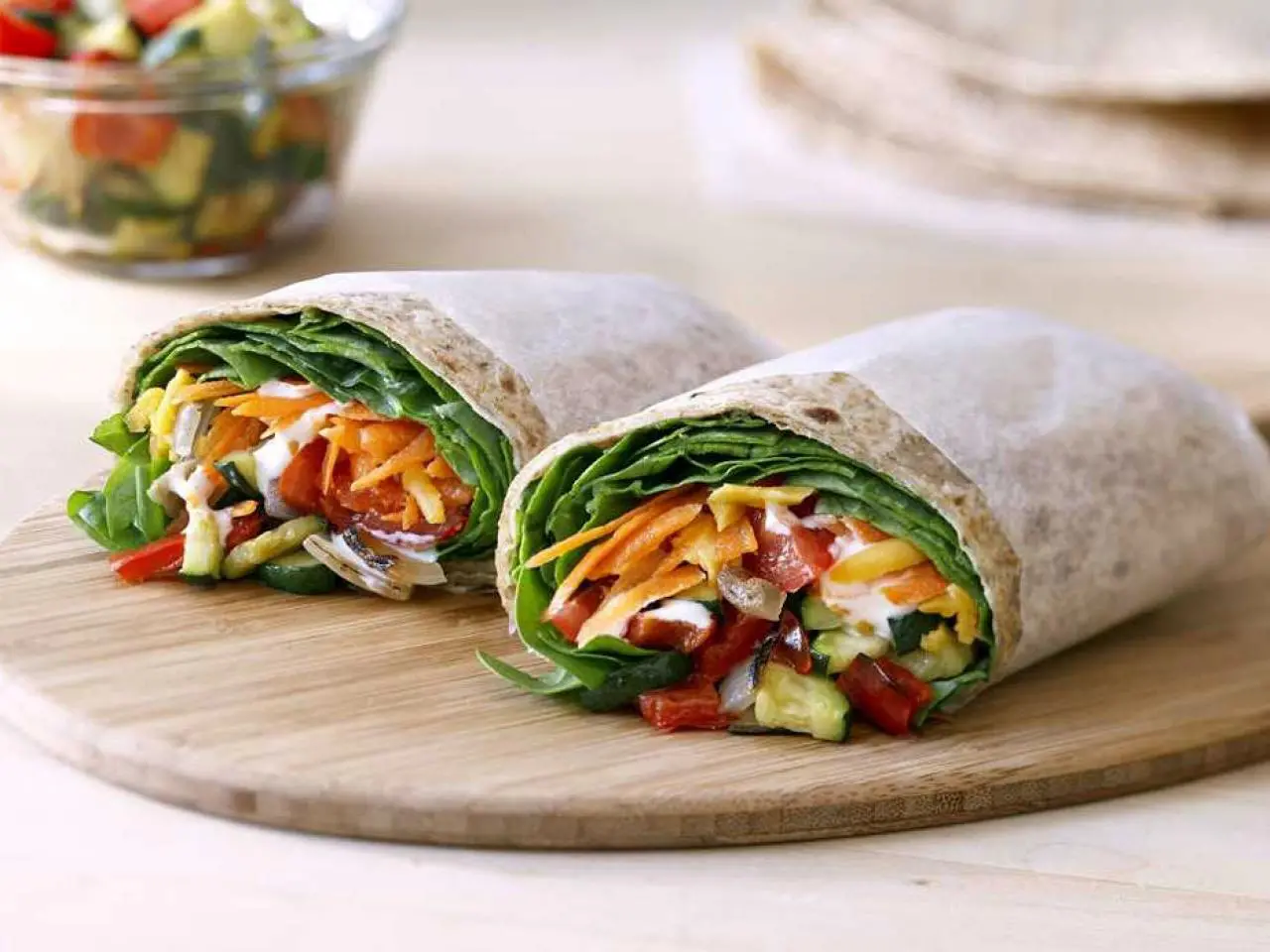
Wraps and sandwiches are simple to prepare and pack and with some modifications they can be a lot healthier. Eat whole-grain tortillas or bread, and eat lean sources of protein, such as grilled chicken, slices of turkey, eggs, hummus, or beans. Add additional vegetables, stuff in spinach, shredded carrots, cucumber, bell peppers or avocado. Another option is to create fun pinwheel wraps by layering a thin layer of hummus, adding some vegetables, wrapping them up and chopping them into bite-sized pieces. Lunch is more of a snack with these small and colorful rolls and they are usually a hit with children.
3. Salad Jars and Protein‑Rich Bowls
To keep it more adult-friendly, and yet accessible to older kids, you can make salad jars or grain bowls. Dressing in a jar or container, layer dressing first, then add grains such as quinoa or brown rice, then add protein such as grilled chicken, tuna, chickpeas or tofu, and finally add vegetables such as cherry tomatoes, cucumber, corn and shredded greens. This maintains the freshness of ingredients and does not make all things soft until it is time to eat. Grain bowls can be easily customized, thus, every member of the family can select their most preferred toppings and sauces and still have a balanced meal.
4. Thermos Options for Warm Meals
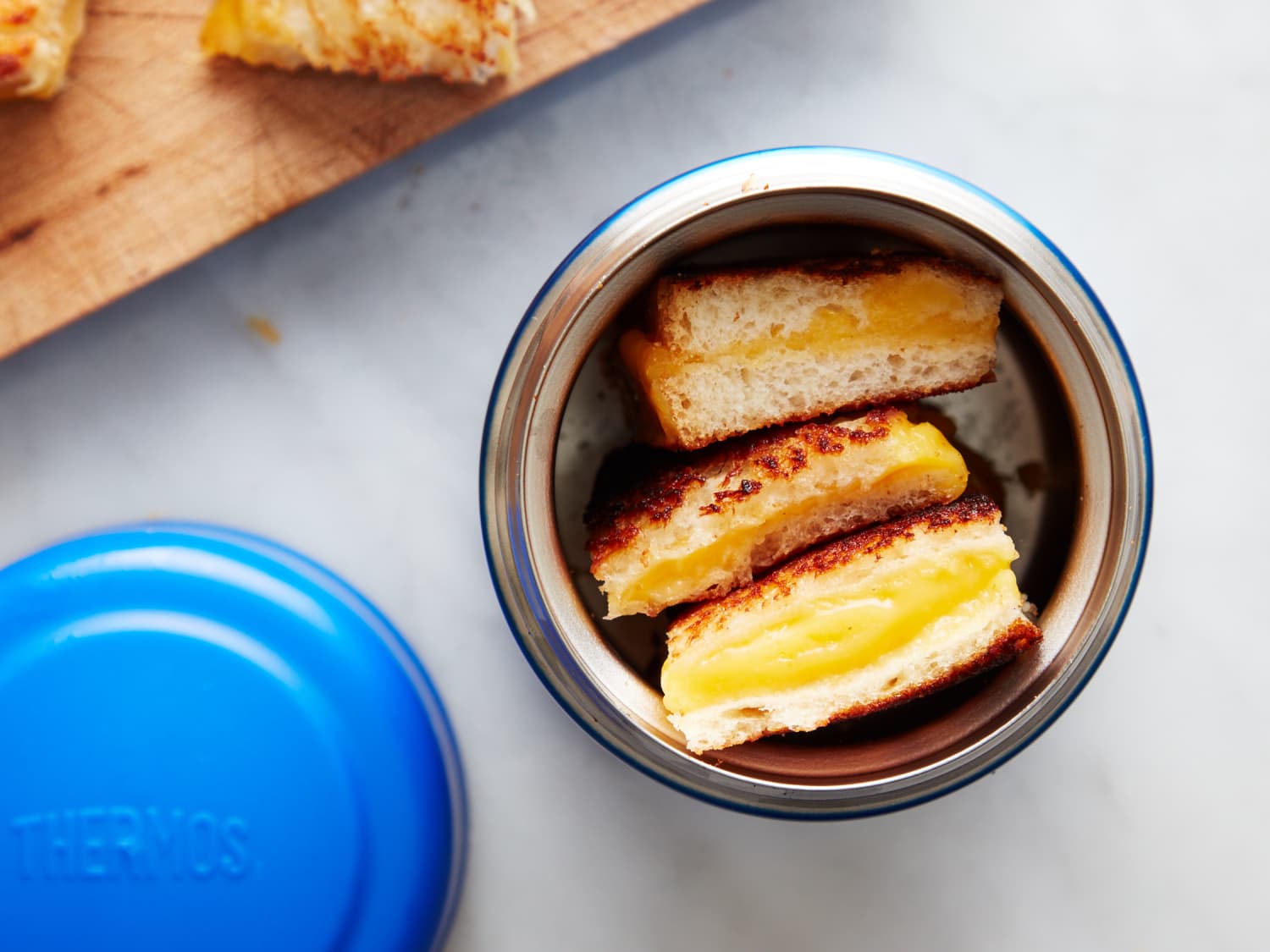
Not all people love cold sandwiches and warm lunch may be very nice and cozy. A thermos with soup or chili or a dish of grain and vegetables is a wonderful idea to add variety and additional vegetables. Prepare a large pot of vegetable soup, lentil stew or a simple pasta and vegetable meal at home, and divide it into single thermoses. On the side put a small roll or bread, whole-grain, and the meal is warm and satisfying. These hot meals are particularly appreciated during a cold weather or when the family is in need of something different than the regular packaged lunch.
5. Easy Snack‑Style Lunches
There are those days when a snack-like lunch is the order of the day and all the people can snack on the day. Pack a variety of healthy options like sliced fruits, raw vegetables with hummus or yogurt‑based dip, hard‑boiled eggs, cheese cubes, whole‑grain crackers, and small portions of nuts or seeds. Pack them in a segregated container or bento box in such a way that the meal appears colorful and orderly. This style is great with children who do not enjoy one main meal and with adults who enjoy eating lighter and in the finger-food style.
6. Make Lunch Feel Special
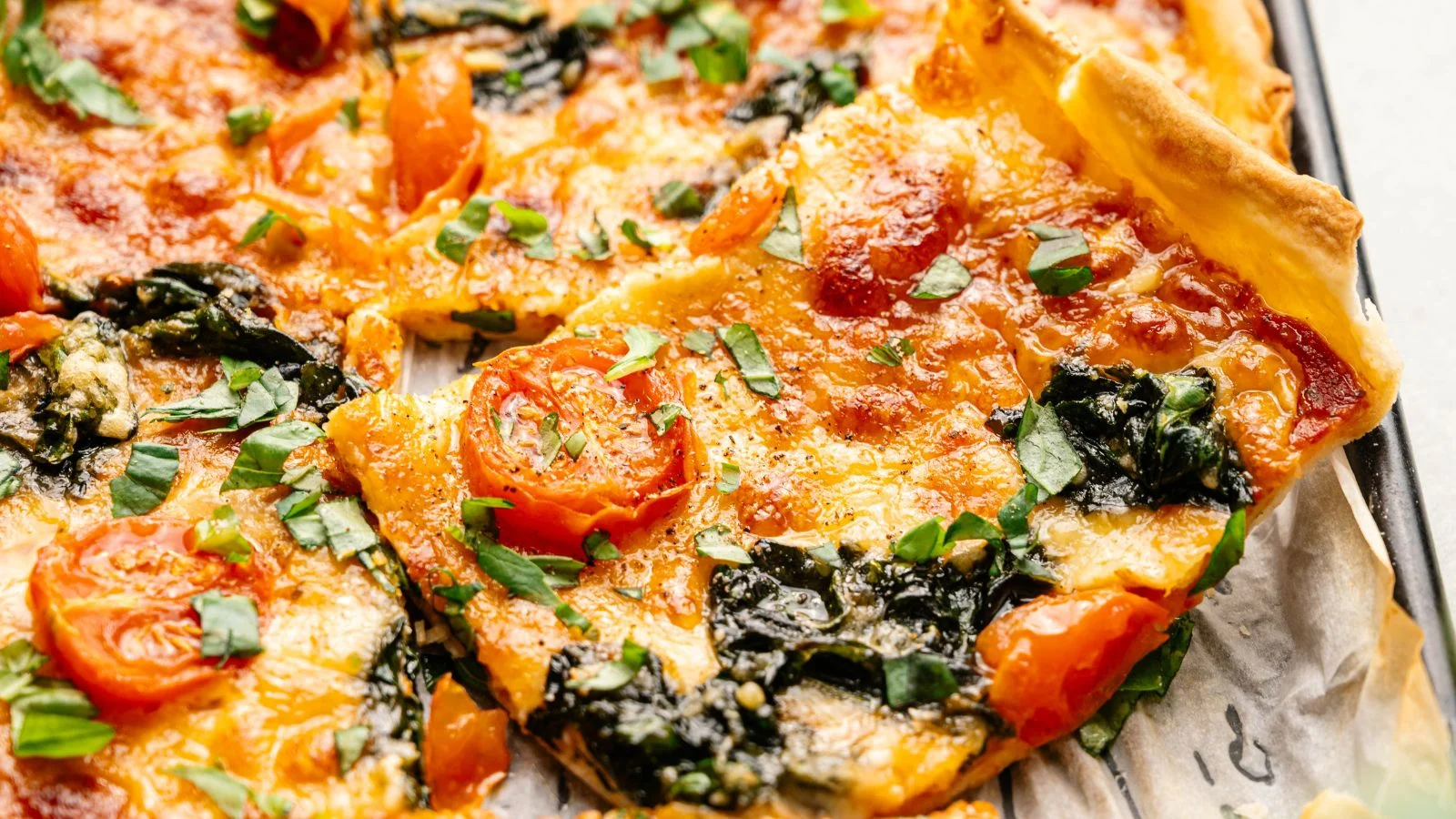
Last but not least, it can be presentation and routine that will make a difference in reception of lunch. Make the lunch special with the help of fun containers, colorful napkins or small notes. Allow family members to sometimes decide what to include in their lunch box or alternatively introduce some new healthy options. With everyone feeling engaged and liking the food, it becomes less challenging to adhere to healthy habits and make lunch something to look forward to daily.
About the Author