One of the busiest rooms of the house would be the kitchen, and little adjustments will translate into significant savings in time and waste. Instead of completely changing your entire system, some clever, useful habits will make the process of cooking simpler, the food fresher, and the mess reduced. Cooking daily or just a few times a week, these hacks are sure to make you work more efficiently and leave resources such as money, food, and time where they are needed the most.
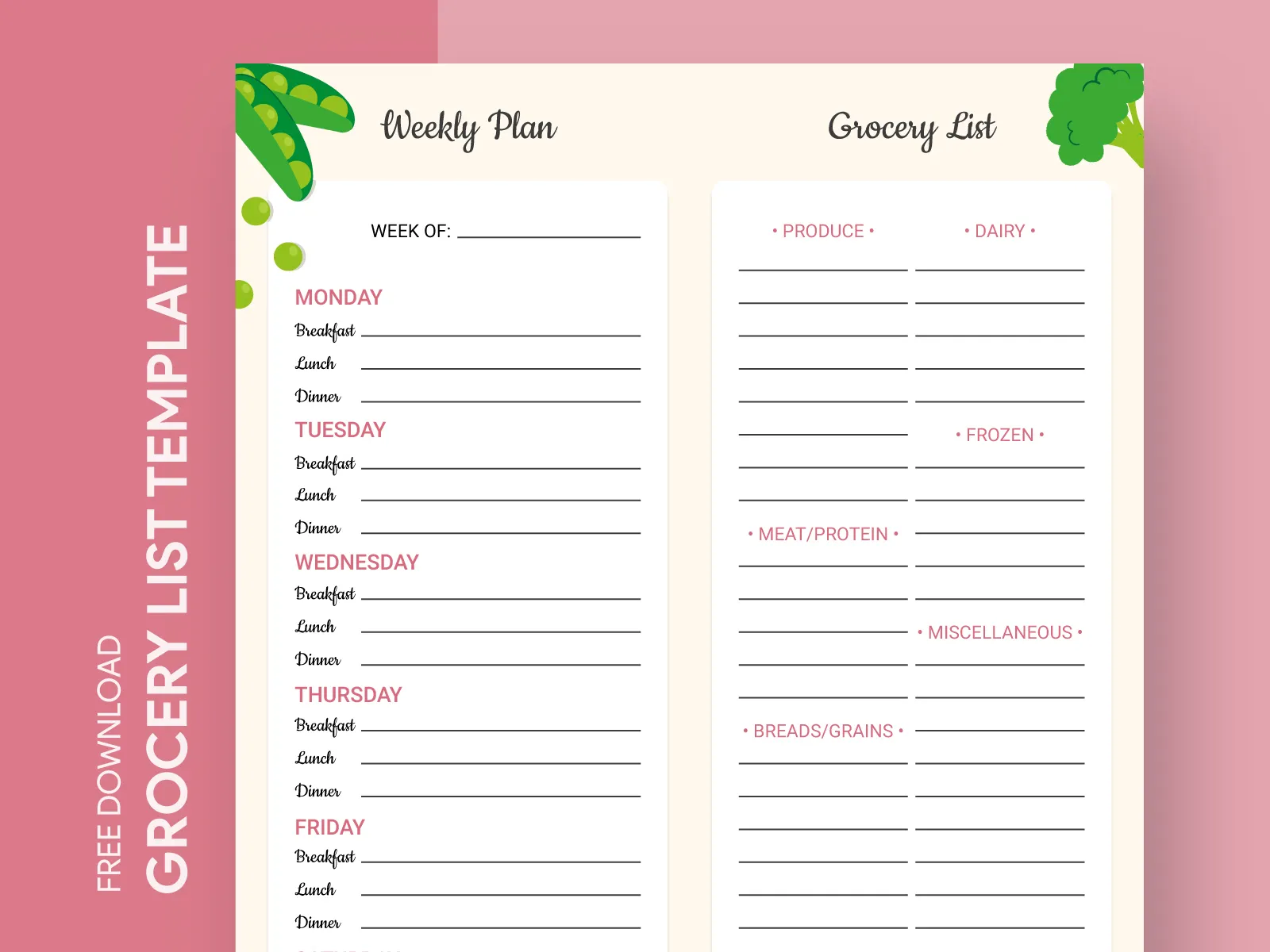
1. Plan Meals and Use a Weekly Grocery List
One of the best methods to save time and waste is to plan the meal. You should plan beforehand what you are going to cook during the week, and create an accurate grocery list based on those meals. This will stop last-minute shopping and the urge to purchase additional supplies that may not be used. Planning also allows you to purchase only what you require which minimizes food spoilage and wasted money. With time, such a basic routine can reduce food waste by an observable margin and help cooking to become a less stressful process.
2. Store Food the Right Way
The way you preserve food is a major determinant as regards to its longevity. Store the majority of vegetables dry and loosely wrapped in the fridge and use clear containers rather than plastic bags to be able to see what should be consumed first. Breads that are not consumed fast should be frozen and spices and grains should be stored in air tight containers to avoid coming into contact with air and moisture. Proper food storage helps keep food longer and this implies that you do not need to make as many visits to the compost or trash.
3. Prep Ingredients in Advance
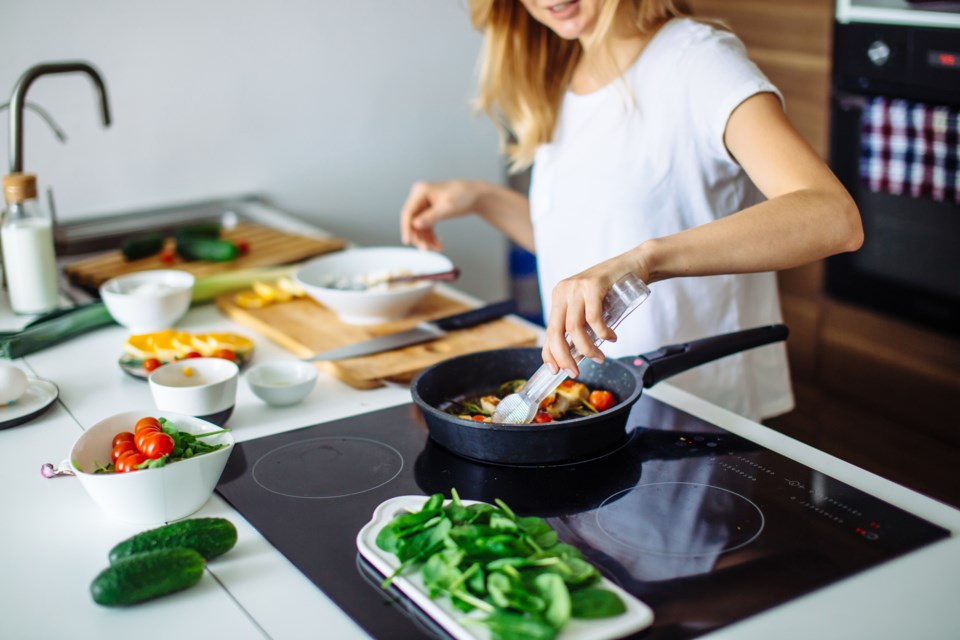
Preparing the ingredients in advance can give you some precious minutes on a hectic night. Prepare vegetables, marinate proteins or cook grains in advance so that you can use them when you begin cooking. A little bit of pre-chopped onions or mixed salad greens can go a long way. You do not need to cook whole meals, sometimes, all you need is a few ingredients ready to feel like preparing a meal is quicker and more pleasant.
4. Use Leftovers Creatively

Leftovers are frequently considered the last resort, and with a bit of ingenuity, they can be made into new dishes. Use up old vegetables, in a quick stir-fried rice or omelet, use up old meat, in a sandwich or salad, or chop up cooked grains, in a cold salad. Putting labels on leftovers with their contents and date will remind you to consume them before they go bad. Viewing leftovers as resources rather than a burden allows you to save time and money as well as make cooking a more adaptable task.
5. Keep a Clean and Organized Workspace
A well organized kitchen is a quicker, more productive kitchen. Keep your cooking area tidy by cleaning up during the preparation and keeping counters and dishes somewhat in check. Store frequently used tools and ingredients in easy‑to‑reach spots to reduce the time spent searching. It is also easier to see what you have in a well-organized space, which once again will help avoid unnecessary purchases and food waste. More basic routines such as wiping down the counters after use and placing the dishes into the dishwasher when it is still hot make cleaning feel easier and faster.
6. Practice First‑In, First‑Out (FIFO)
The FIFO approach, or first in, first out, implies the utilization of older products first, followed by newer ones. When storing groceries, you should have the newer ones behind the older ones so that you use the older first. This is an easy habit that can help prevent food that takes up too much time on shelves or in the refrigerator. You may also maintain a little list or a chalk board of perishable goods that must be consumed soon and this way you can easily plan last minute meals based on what you already have.
7. Batch‑Cook and Freeze
It is a clever idea to cook in large amounts and freeze them to use later so as not to waste. Prepare double servings of soups, stews or casseroles and freeze them in single serving containers. In such a manner, during a hectic night, you would only need to warm a meal rather than make one. Meal prep need not be complicated; a handful of simple meals will offer several days of fast, home-cooked meals.
These kitchen hacks will simplify the cooking, cleaning, and eating process, as well as help to save time and waste less in the long-term by planning smartly, using clever storage, and simple preparation methods.
About the Author