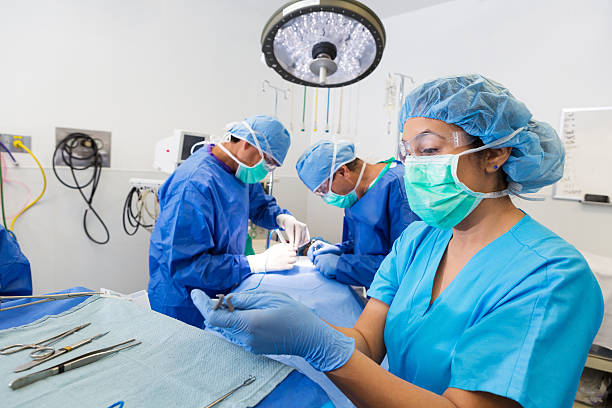
The medical field is currently undergoing a massive transformation driven by rapid technological innovations in the operating room. In the past, patients had to have big incisions, long hospital stays, and long recovery times after undergoing traditional surgical procedures. With today’s cutting-edge technological tools, medical teams are able to conduct very complex procedures in ways that are unparalleled in precision and safety. These technological breakthroughs have revolutionized daily clinical practice, drastically reducing patient trauma and elevating the overall quality of modern healthcare delivery across the globe.
Precision Through Robotic and Minimally Invasive Systems
Minimally invasive techniques have completely reshaped how modern operating rooms function during complex procedures. Robotic platforms and the latest in laparoscopic technology allows surgeons to work with extraordinary visual clarity and dexterity in small incisions. Advanced technical instruments such as these are used by expert specialists like Dr. Omar Marar to carry out intricate procedures with minimal disruption of tissue, like colorectal cancer resections. This exact method results in decreased pain from surgery, smaller incisions, less risk of infection, and shorter recovery periods for patients receiving complex medical treatments.
Enhanced Imaging and Diagnostic Capabilities
Today, surgical preparation has been replaced by an estimate and now has become an exact science, thanks to the use of advanced diagnostic imaging technology. High-definition endoscopes and real-time visualization systems allow clinical teams to inspect internal bodily structures with incredible accuracy before making a single cut. For specialized practices such as gastroenterology, procedures like colonoscopies allow doctors to detect any suspicious areas and precancerous polyps early on. The ability to see clearly and detail during both the diagnosis and the surgery helps surgical teams navigate complex anatomical pathways safely, ultimately resulting in better outcomes and higher success rates.
Optimized Patient Recovery Protocols
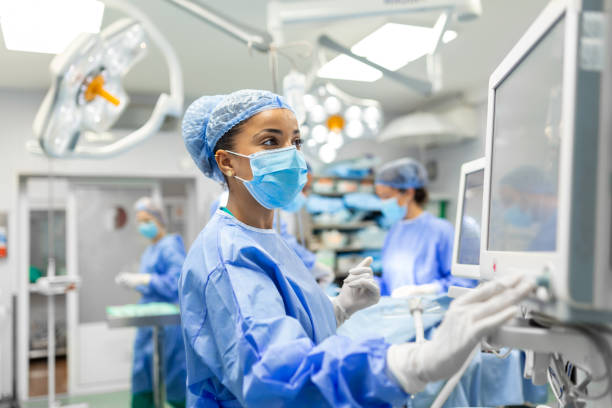
Surgical technology is more than just the tools in the operating room; it’s a holistic approach to digital care. Standardized clinical frameworks, including enhanced recovery after surgery protocols, combine advanced monitoring technology with modernized patient management. Healthcare providers utilize these integrated methods to manage post-operative pain effectively, encourage early physical mobility, and minimize post-procedure complications. This will shorten hospital stay lengths and enable patients to return to their daily lives comfortably much earlier after major interventions if each stage of the patient care journey is optimized.
Elevating Medical Training and Education
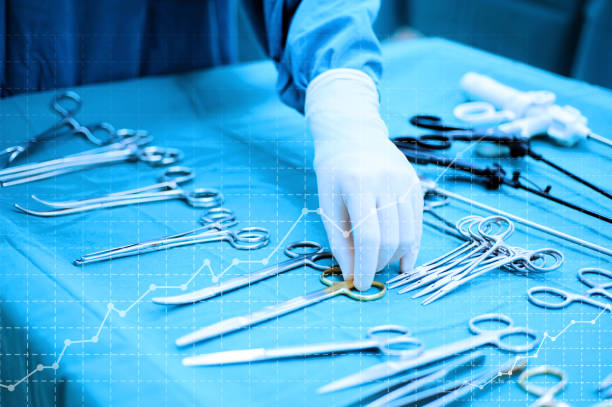
The ongoing advancement of medical instruments has a significant influence on the training of the next generation of doctors in medical institutions. Trainees can view and practice very complex techniques using advanced computer simulations, virtual surgical environments and real-time video streaming before entering an active operating theatre. These new digital tools are embedded in clinical rotations and medical residency programs by experienced surgical mentors. The integration of practical experience and cutting-edge technology guarantees that the next generation of physicians will have a solid foundation in technical proficiency, further enhancing the quality of healthcare through their precise and safe clinical practices.
Conclusion
Surgical technology has significantly raised the bar for the quality of healthcare provided in today’s healthcare settings. Today, technology has made patient care more efficient, from the precision of robotic systems to improved imaging and diagnostics, right through to streamlined recovery process. Embracing these clinical innovations ensures safer procedures, better long-term health outcomes, and a far more efficient healthcare system for everyone.
About the Author